Classes VI – X
Geometry Learning System
From Construction to Mathematical Investigation
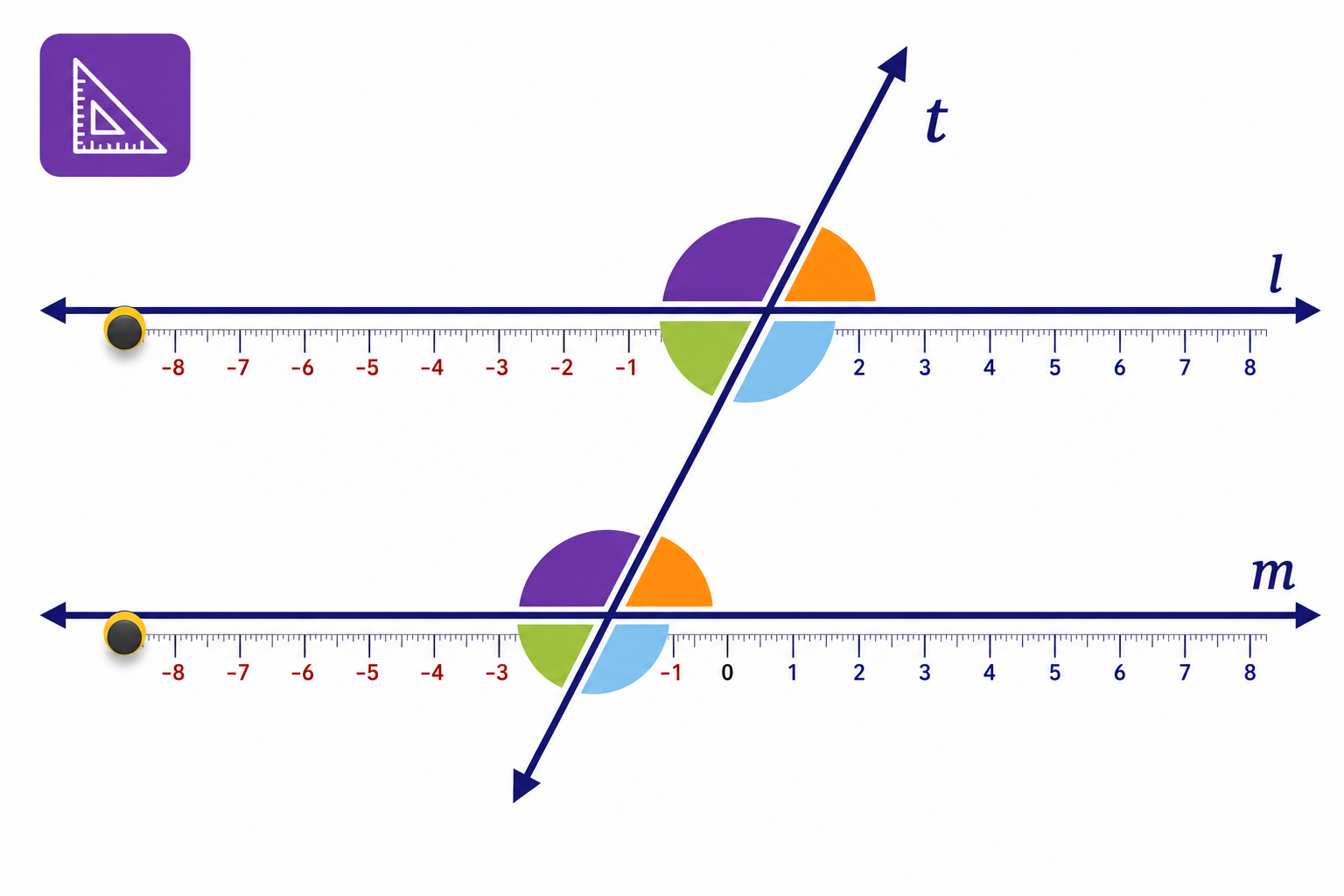
Enable investigations that are difficult to sustain consistently through paper-and-pencil activities alone.
A single geometric arrangement supports multiple theorem verifications, guided investigations, teacher-created hypotheses and collaborative discussions. Instead of repeatedly reconstructing diagrams, classroom time is devoted to observation, reasoning, measurement and mathematical thinking.
In the classroom
- Construct and verify geometric relationships
- Observe and interpret mathematical patterns
- Measure and compare geometric properties
- Form, test and revise mathematical hypotheses
- Justify conclusions using experimental evidence
- Communicate mathematical reasoning collaboratively
Why physical
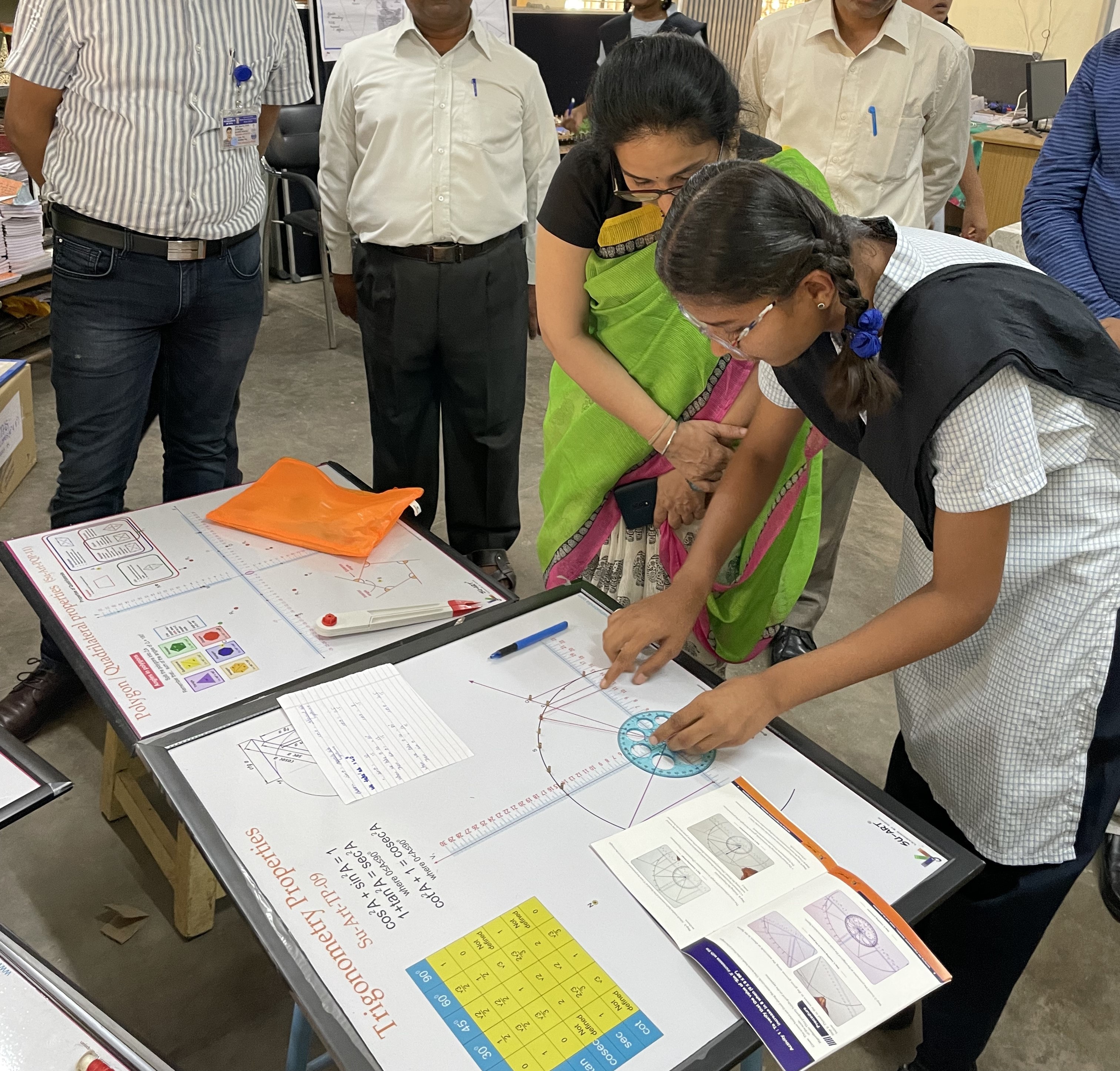
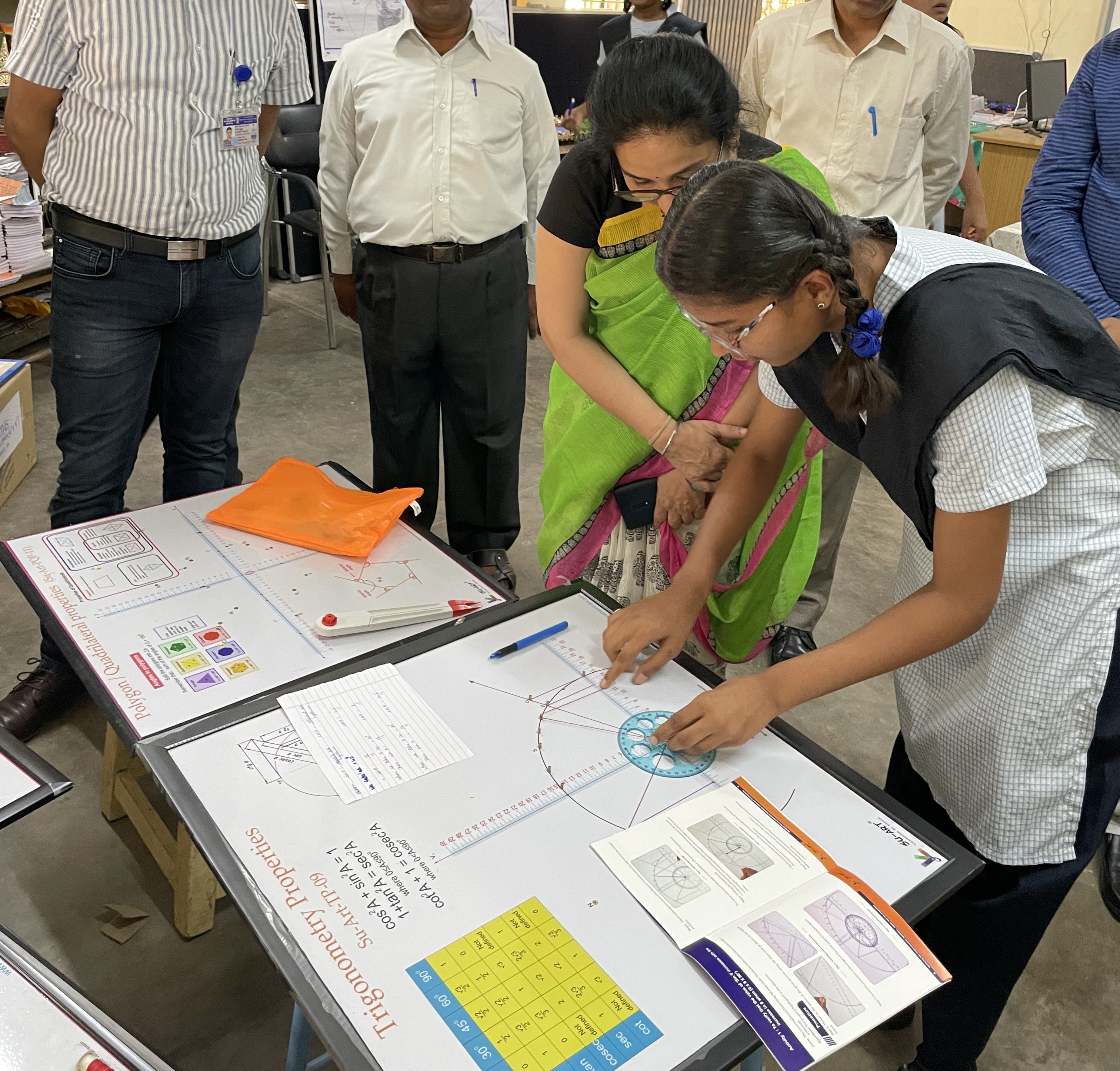
Unlike notebook constructions, the Su-Art Geometry Learning System provides a reusable investigation platform that can be used repeatedly throughout the academic year.
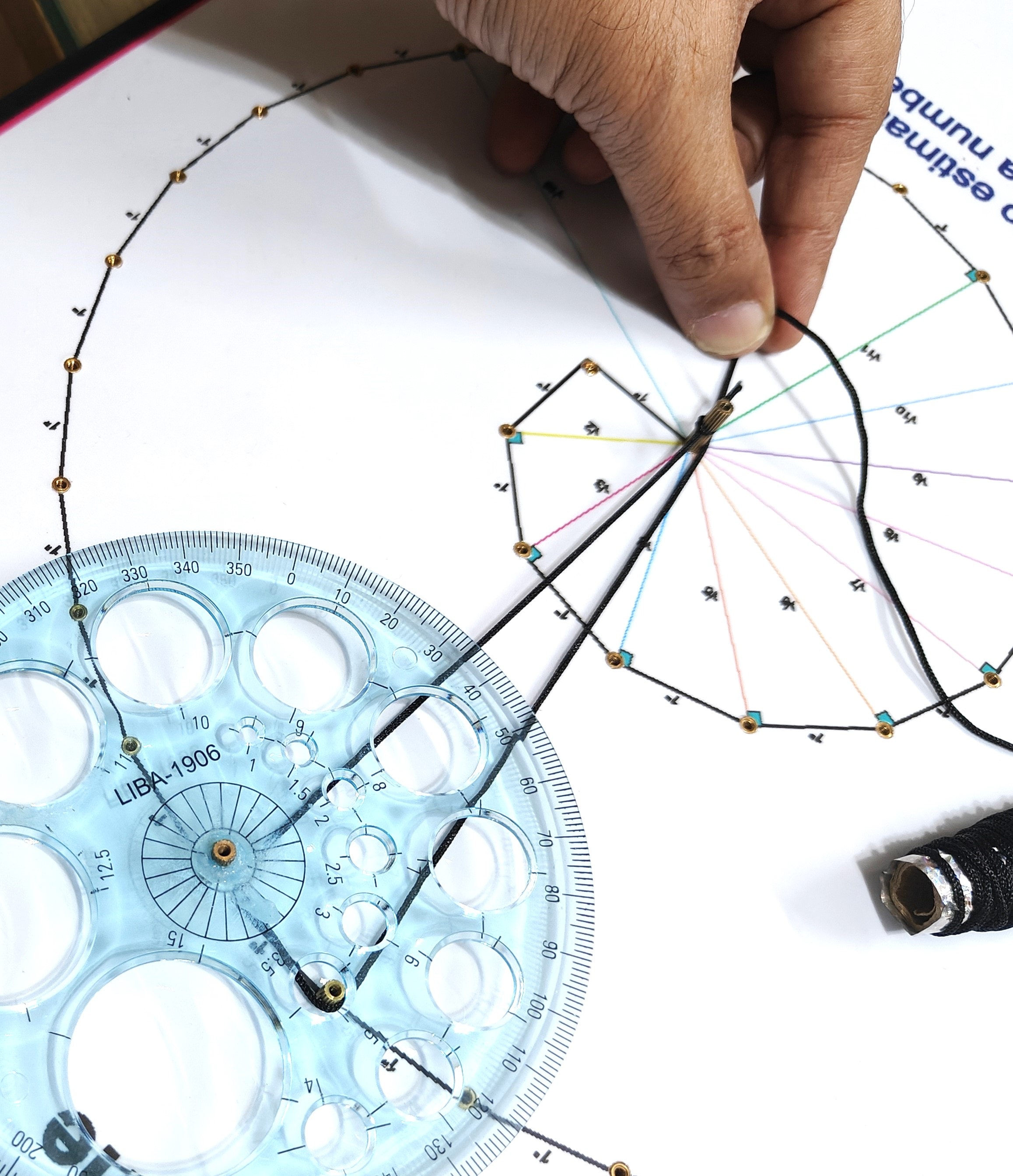
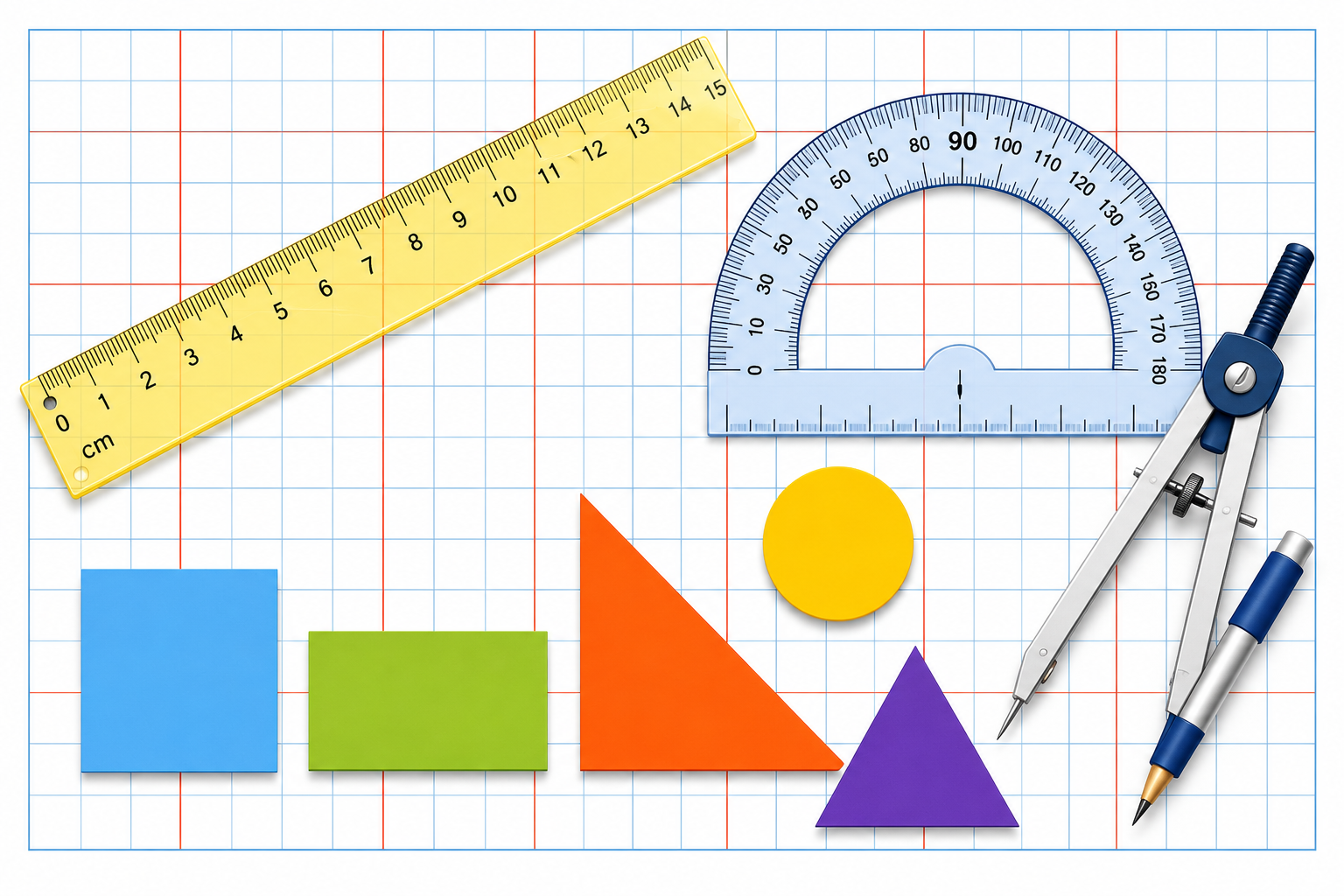
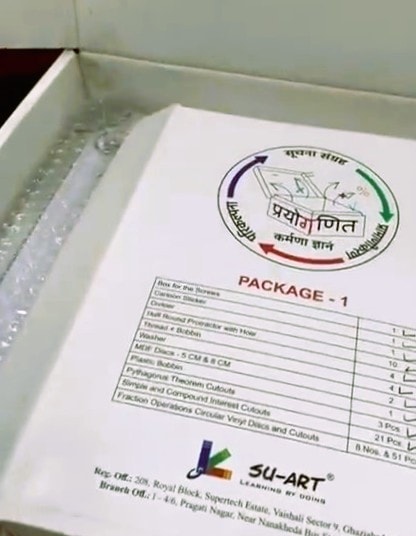
Students construct, measure, compare and investigate using the supplied threads, screws, bush screws, divider, protractor, geometric cut-outs and other activity accessories.
These physical interactions encourage observation, discussion, collaborative learning and mathematical reasoning while making abstract geometry tangible.
Mathematics Covered
Questions students investigate
- 1Where do the four triangle centres lie?
- 2Why do angle bisectors always meet at one point?
- 3How can the Euler Line be verified experimentally?
- 4Does the angle subtended by the same chord remain constant?
- 5How can Similarity and the Basic Proportionality Theorem be verified through measurement?
- 6What relationships exist between tangents, chords and circles?
- 7How can the Pythagoras Theorem be investigated experimentally?
The Operation Manual includes many additional guided investigations designed for classroom and laboratory use.
From a real classroom
The investigations in the Operation Manual are only the beginning.
Mathematics teachers frequently extend them by framing new hypotheses and encouraging students to investigate their own mathematical questions.
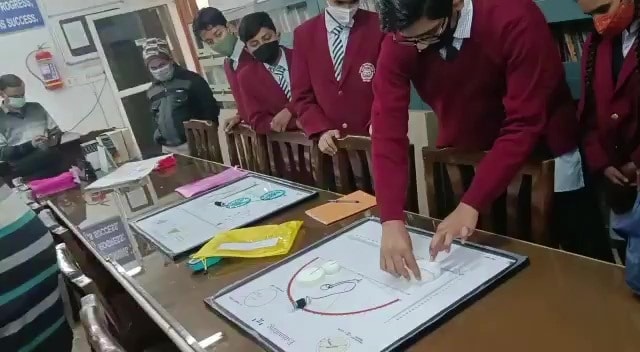
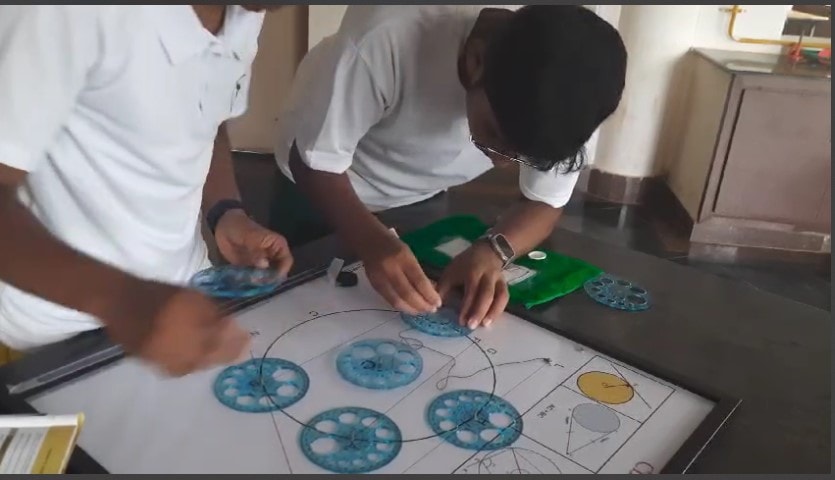
A teacher challenged students with the question: "Can more than two tangents be drawn from the same external point to a circle?"
Students investigated the hypothesis using the Circle Theorem apparatus, tested different constructions and concluded that exactly two tangents can be drawn.
This investigation emerged from the teacher's classroom discussion and was not part of the original Operation Manual.